


Coastal Winter Days with Johns of Instow & Appledore
Winter on the North Devon Coast: Discovering Instow, Appledore, and the Tarka Trail with Johns
Winter on the North Devon coast is a season of calm beauty. When the summer crowds disappear and the skies open wide over the estuary, the landscape seems to breathe a little easier. The rivers meet the sea with a slower rhythm, the light softens over the dunes, and the coastline transforms into a quiet haven for walkers, cyclists, and explorers.
For those who love fresh air, dramatic views, and a taste of local life, Instow and Appledore are perfect winter destinations. And when a day of coastal adventure draws to a close, Johns of Instow offers a warm welcome with local food, artisan treats, and a space to share stories of your walks, rides, and discoveries.
Instow: A Coastal Village Full of Character
Instow is a village where the estuary and sea meet in a wide, sweeping panorama. Situated at the confluence of the Rivers Taw and Torridge, it has been a port and riverside community for centuries. While summer may bring sunseekers and families, winter allows the village to reveal its quieter side: the low hum of birds, the occasional dog walker, and the whispering wind across the dunes.
The village itself is small but welcoming. Traditional cottages with weathered walls and slate roofs line the streets, and the local church stands quietly as a reminder of Instow’s long history. Many buildings date back centuries, and walking through the village feels like stepping into a landscape that has seen generations of fishermen, farmers, and seafarers pass by.
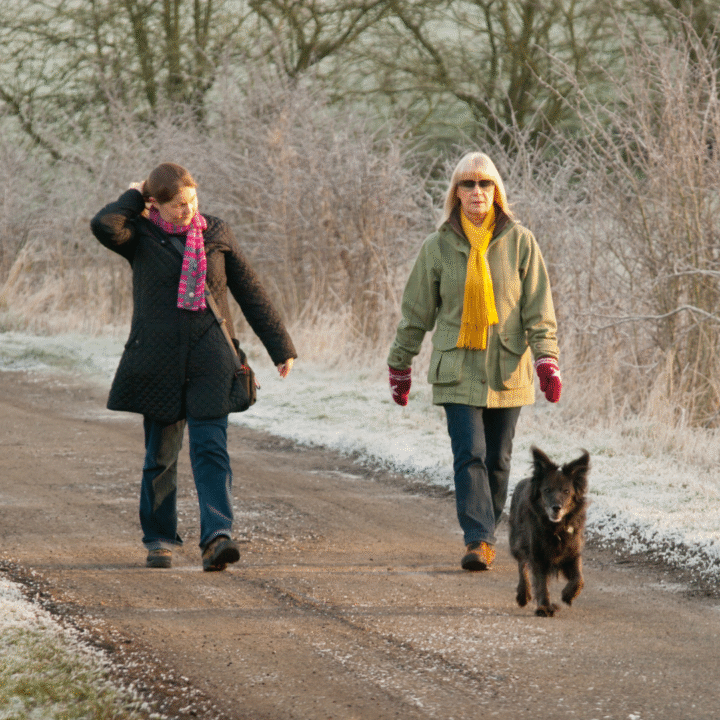
Winter here is particularly atmospheric. Mornings often begin with frost on the grass and silvery mist hovering over the estuary. By late afternoon, the setting sun casts long shadows over the dunes, illuminating the tidal flats and highlighting the textures of sand, mud, and water. Every visit to Instow feels different depending on the tide, the light, and the wind, making repeated walks endlessly rewarding.
Instow Beach: Winter Walks with Expansive Views
Instow Beach is at the heart of winter adventures here. Its long, flat stretches of sand make it perfect for brisk walks, reflective strolls, or a playful run with dogs. Even in the colder months, the beach has a magnetic pull, inviting visitors to explore the dunes, peer at tidal pools, and take in the expansive estuary views.
From the shoreline, the panorama is breathtaking. To the north lies Crow Point, a sandy spit and dune system where birds gather and the landscape shifts with every tide. Horsey Island, a small tidal landform, sits quietly at the estuary’s edge, and on clear days, the rooftops and quays of Appledore are visible across the water. Watching the tide move in and out, one can appreciate the sheer dynamism of this coastal landscape, sculpted by wind, water, and time.
For anyone keen on birdwatching, winter is a fantastic season here. The estuary becomes home to flocks of migratory birds, ducks, and waders, which feed on the mudflats and shallow waters. Bring binoculars or simply pause to notice the variety of life around you — even on a grey, blustery day, the beach is alive with movement and sound.
Johns of Instow: A Coastal Winter Retreat
After a walk along the beach, there’s nothing better than heading into Instow village and seeking refuge in a warm, welcoming spot. Johns of Instow embodies the charm of a traditional village café and deli while celebrating local produce and seasonal ingredients.
In winter, the café becomes a hub of comfort. The smell of freshly baked bread and pastries mingles with the aroma of hot coffee and warming soups. Locals and visitors alike gather here after a walk, exchanging stories, sharing recommendations for trails or village sights, and enjoying the simple joy of food made with care. From hearty sandwiches and pasties to a selection of Devon cheeses and artisan treats, Johns provides the perfect way to end a day of outdoor exploration or to refuel before heading out for more.
Beyond the food, the café embodies the spirit of coastal village life. Winter may bring chill winds and short days, but there’s warmth in human connection, in a shared table, and in the rhythms of a community that thrives alongside the tides.
The Tarka Trail: Flat, Accessible, and Rich in History
Few places in North Devon can match the appeal of the Tarka Trail. Named after Tarka the Otter, the beloved novel that celebrates the life and journey of an otter along Devon’s rivers, the trail stretches across estuaries, farmland, and woodland. Its flat, mostly traffic-free path makes it accessible for walkers, cyclists, runners, and families.
The Tarka Trail follows a network of disused railway lines, which means it is largely flat and easy to navigate — a rare find in a region of hills and valleys. Winter, with fewer people on the paths and softer light, is an ideal time to enjoy the trail. As you walk or cycle, the estuary stretches open on one side, while fields, hedgerows, and small woods provide a patchwork backdrop that changes with the seasons.
History of the Trail
Originally, the railway lines carried goods and passengers between towns like Barnstaple, Bideford, and smaller villages along the Taw and Torridge estuaries. They played a crucial role in transporting fish, produce, and coal and connected coastal communities to the wider region. When the railways were decommissioned, the tracks were repurposed into the trail network we enjoy today. Walking or cycling the Tarka Trail is, therefore, not just an opportunity to appreciate the natural beauty — it’s also a journey through history. Bridges, station platforms, and old signal boxes stand as silent witnesses to a time when steam engines threaded along these paths.
Wildlife and Nature Along the Trail
Winter is a season of migration for birds in North Devon, and the trail offers excellent opportunities for spotting wildlife. The estuaries are rich feeding grounds, attracting species such as oystercatchers, herons, and teal. In the fields and hedgerows, wintering songbirds and the occasional fox or deer might be glimpsed. The mix of open estuary, farmland, and woodland creates diverse habitats, making every walk or ride an ever-changing encounter with nature.
Accessibility and Routes
From Instow, heading north along the Tarka Trail brings you towards Bideford, passing tidal marshes, farmland, and quiet estuary paths. The journey east leads to Barnstaple, taking in more expansive estuary views, wildlife-rich waterways, and quiet countryside. The flat, smooth surfaces make it suitable for families, elderly walkers, and cyclists, while the lack of traffic ensures safety and a sense of peace.
Stops along the trail provide rest, refreshments, and opportunities to explore nearby villages. Whether you’re out for a couple of hours or a full-day adventure, the Tarka Trail offers something for everyone — a mixture of exercise, scenery, history, and wildlife.
Appledore: Maritime Heritage and Hidden Lanes
Across the estuary from Instow lies Appledore, a village steeped in maritime history and full of winter charm. Once a centre for shipbuilding and fishing, the village retains its distinctive character through narrow, winding streets, pastel-coloured cottages, and a working quay that remains alive with activity.
Appledore’s charm is perhaps most evident in its hidden back streets, away from the main quayside. Wandering through these lanes, you’ll discover independent shops selling local crafts & galleries showcasing artists inspired by the coast. Just like in Instow, Appledore also boasts its own Johns Cafe, Deli & Retail store. Although smaller the Appledore cafe is cosy and full of charm. Relax for a while and take in the view whilst enjoying a speciality hot chocolate or Barista made coffee. In winter, these streets feel intimate and quiet — a stark contrast to the busier summer months where the streets are packed and The Quay is bustling with everyone enjoying the water. You’ll see dozen’s of people lined up crabbing with nets and buckets or queuing for the Instow & Appledore Ferry.
The Maritime Museum is a highlight for visitors. Exhibits tell the stories of shipbuilders, fishermen, and families whose lives have been intertwined with the sea for generations. From wooden models of historic ships to detailed accounts of the village’s maritime past, the museum offers insight into how Appledore grew and thrived as a coastal community.
Even in winter, the quayside retains a sense of life and movement. Boats continue to dock, fishermen prepare for winter tides, and walkers from the Tarka Trail often cross over to explore the village, adding a quiet energy to the streets.
Exploring Surrounding Villages
While Instow and Appledore are the highlights of a winter coastal adventure, nearby villages such as Westward Ho!, Braunton, and Instow’s estuary hamlets offer further opportunities for exploration. Each has its own unique character, from rolling farmland to historic buildings and small local cafés. Winter transforms these areas, revealing patterns in the landscape that summer crowds often obscure: frost-lined hedgerows, birds feeding in quiet fields, and the glint of water reflecting soft winter sun.
Cyclists on the Tarka Trail often use these villages as stopping points, sampling local produce, enjoying seasonal menus in cafés, or simply taking in the views across the estuary. Even a short detour off the trail can lead to hidden viewpoints and quiet spaces to pause and reflect.
Seasonal Pleasures: Food, Walks, and Fresh Air
Winter in North Devon is as much about sensory experiences as it is about scenery. The air is crisp and clean, carrying the scent of salt, sand, and pine from nearby woodland. Long walks and rides invigorate the body, while the gentle chill leaves cheeks flushed and spirits lifted.
Food is an essential part of this experience. At Johns of Instow, visitors can enjoy locally baked pasties, sandwiches made with Devon cheeses, fresh soups, and a selection of artisan treats. These simple pleasures feel especially rewarding after a walk along the beach or a cycle on the Tarka Trail. The café’s welcoming atmosphere reflects the warmth of the local community — a place to linger, share stories, and plan the next adventure.
Why Winter is Perfect for Coastal Exploration
There are many reasons why winter is a special season for exploring the North Devon coast:
- Light and Atmosphere: The winter sun casts low, golden light across the estuary, creating long shadows and a soft glow that makes every walk feel cinematic.
- Quiet and Solitude: Without the summer crowds, trails, beaches, and streets feel almost private, offering time for reflection and a closer connection with nature.
- Wildlife: Winter brings unique opportunities to spot migratory birds, estuary wildlife, and the subtle signs of nature preparing for spring.
- Physical Challenge and Reward: The fresh air invigorates, while long walks along the beach or Tarka Trail leave you feeling energised and content.
Putting It All Together: A Full Winter Coastal Day
A perfect winter day might begin with a sunrise stroll along Instow Beach, enjoying the stillness and the wide estuary views. From there, a gentle cycle or walk along the Tarka Trail can take you to Bideford, Barnstaple, or quiet villages along the way. Pause to watch the birds, take photos of the winter light, and breathe in the freshness of the coastal air.
A detour to Appledore invites exploration of hidden streets, historic buildings, and the Maritime Museum. A warming coffee, seasonal lunch, or locally baked treat provides a pause before heading back to Instow, perhaps finishing the day with a hearty meal at Johns and the satisfaction of a day spent outdoors.
Winter on the North Devon coast is not about rushing. It is about taking time, noticing the details, and enjoying the rhythm of the coastline — wide sands, tidal rivers, historic villages, and welcoming communities. From Instow to Appledore, from beach walks to Tarka Trail adventures, the season offers something for every visitor. It’s a chance to slow down, breathe deeply, and embrace the simple pleasures that make coastal winter truly special.

