


The Rise of Tinned Fish: Tradition, Craft & a Sustainable Future
Once dismissed as a humble cupboard staple, tinned fish is firmly back in the spotlight. From chic deli shelves to restaurant menus, it has undergone a transformation—from functional to fashionable, from basic to beautiful. But this resurgence isn’t just about aesthetics or convenience. At its heart lies a story of craftsmanship, sustainability, and a reconnection to how we source and enjoy seafood.
A Brief History of Canning
Canning fish is far from a new idea. It dates back centuries, when coastal communities preserved their catch in salt, oil, or brine to extend shelf life and reduce waste. Today, the principle remains the same: fish is sealed in an airtight container to maintain freshness and flavour for months—or even years.
What has changed is the perception. Once associated with mass production, modern tinned fish—often referred to as conservas—has become a craft product. Producers are embracing traditional techniques, hand-packing fish and using high-quality oils and seasonings to create something closer to a delicacy than a necessity.
Why Tinned Fish Matters Now
In a world increasingly focused on sustainability, tinned fish offers some surprising advantages.
Firstly, it significantly reduces food waste. With a long shelf life, it allows both businesses and consumers to use seafood more efficiently. Secondly, it enables producers to preserve fish at peak season—when stocks are most abundant—reducing pressure on fisheries during vulnerable periods.
There’s also the issue of transport and sourcing. Fresh fish often travels long distances and must be consumed quickly. Tinned fish, on the other hand, can be stored and transported with minimal spoilage, making it a more efficient and often lower-impact option.
But sustainability in tinned fish isn’t automatic. It depends on how and where the fish is sourced. Responsible producers prioritise well-managed fisheries, low-impact fishing methods, and full traceability from boat to tin.
This is where a new wave of British producers is making a real difference.
A New Generation of British Canneries
Sea Sisters: Reviving a Lost Craft
Sea Sisters is leading the charge in bringing small-batch canning back to the UK. Based in Dorset, they are the first craft cannery in England in decades, reintroducing a tradition long dominated by Spain and Portugal.
What sets them apart is their commitment to local sourcing and seasonality. Working with small day boats around the British coast, they preserve fish at its best—whether that’s Cornish sardines, hake, or trout—using simple, high-quality ingredients.
Their approach is as thoughtful as it is delicious. Each tin is hand-packed, their packaging is fully recyclable, and they actively avoid plastics in their process.
More than just a product, Sea Sisters represents a shift: keeping British fish in Britain, supporting local fishermen, and shortening the supply chain in an industry where much of our catch is traditionally exported.
Hevva!: Cornish Heritage in a Tin
Hevva! draws deeply on Cornwall’s fishing heritage—its very name comes from the traditional cry of fishermen spotting shoals of pilchards along the coast.
This small-batch producer focuses on using locally abundant species, such as Cornish hake and mackerel, offering a more sustainable alternative to overfished favourites like cod.
Importantly, Hevva! uses guidance from sustainability bodies like the Good Fish Guide to determine which species to can, ensuring all their products meet strong environmental standards.
Their process is rooted in quality: fish is sourced from local auctions, prepared in small batches, and preserved in carefully balanced recipes—from smoked mackerel to hake in lemon.
The result is a product that feels both nostalgic and modern—deeply connected to place, yet aligned with contemporary values around sustainability and provenance.
Rockfish: From Sea to Tin with Zero Waste
Rockfish approaches tinned fish from a slightly different angle, integrating it into a broader seafood ecosystem that includes restaurants and direct-to-consumer sales.
Their philosophy is simple: use everything, waste nothing. By preserving fish when it is at peak abundance, they ensure that no catch is lost and reduce the need for additional fishing pressure.
Rockfish works directly with fishermen, often buying catch straight from the boat and preserving it at its freshest. This not only supports coastal communities but also guarantees traceability and quality.
Sustainability is embedded across their entire operation—from seasonal menus that avoid vulnerable species to a zero-waste approach that ensures every fish is utilised.
Their tinned range is a natural extension of this ethos: a way to celebrate British seafood while making it accessible, versatile, and long-lasting.
From Tin to Table: Our Approach
At Johns of Instow and Johns of Appledore, we’re proud to champion this new wave of British tinned fish.
We stock all three of these incredible producers—Sea Sisters, Hevva!, and Rockfish—on our retail shelves, giving customers the chance to take a piece of this craft and sustainability story home with them.
But it doesn’t stop there.
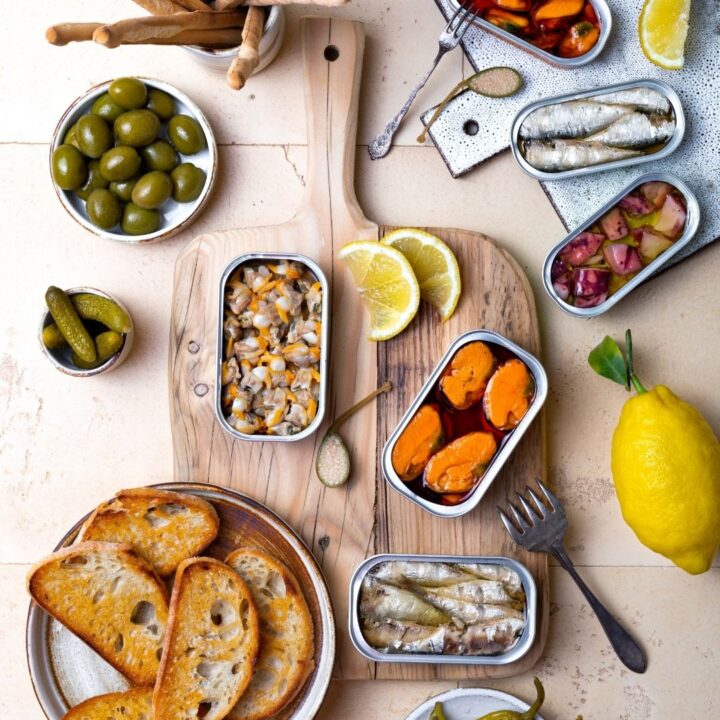
We also use these tins in our cafés, bringing them directly onto our menus in a way that’s approachable, delicious, and a little bit different. One of our favourites is our tinned fish platter—a simple but standout dish that celebrates the quality of the product itself. Served with fresh bread, seasonal accompaniments, and thoughtful pairings, it’s all about letting the fish shine.
It’s a perfect example of how something so simple can feel special when the sourcing and quality are right.
The Sustainability Conversation
What unites these producers—and why we choose to work with them—is a shared commitment to doing things differently. Sustainable tinned fish isn’t just about the final product—it’s about the entire journey:
- Fishing methods: Low-impact techniques help protect marine ecosystems
- Seasonality: Catching fish when stocks are abundant supports long-term sustainability
- Waste reduction: Canning allows surplus catch to be preserved rather than discarded
- Packaging: Recyclable materials and reduced plastic use minimise environmental impact
For us, it’s about aligning what we serve and sell with values we believe in—supporting responsible fishing, small producers, and better food systems.
Why It Works for Cafés & Delis
For hospitality businesses, tinned fish is more than just a trend—it’s a practical, profitable addition.
- Long shelf life reduces waste and simplifies stock management
- High perceived value allows for strong margins
- Versatility means it can be used across multiple dishes—from toast toppings to sharing boards
- Storytelling gives teams something meaningful to communicate to customers
In an age where diners care about provenance, sustainability, and quality, tinned fish ticks every box.
A Modern Pantry Staple
Ultimately, the appeal of tinned fish lies in its simplicity. It’s food that respects both tradition and the future—preserved at its best, ready when you are, and rooted in a deeper connection to the sea.
With producers like Sea Sisters, Hevva!, and Rockfish leading the way, the UK is experiencing something of a tinned fish renaissance.
And for us at Johns, it’s something we’re proud to be part of—bringing these products from shelf to plate, and sharing their story with every customer who walks through the door.

